
Updated Dec. 4, at 1:20 p.m.
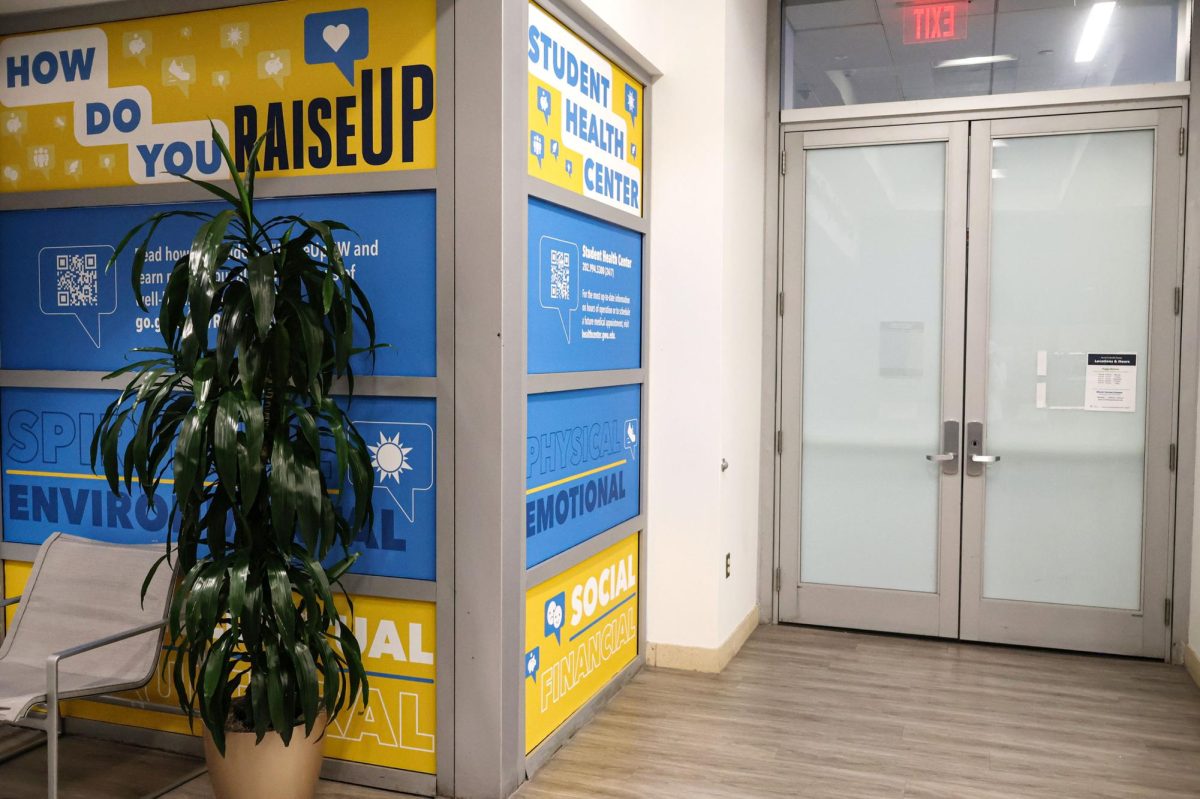
Officials ended Counseling and Psychological Services’ walk-in hours this semester, opting for an appointment-only model that student mental health advocates say limits same-day psychological support options on campus.
Web archives show that since at least 2017, students could access CAPS without an appointment by walking into the Student Health Center or calling during weekday afternoon hours. Now, under the new system, students must schedule appointments in advance through the Student Health Portal — a change student mental health advocates view as another cut officials are making to student resources on campus this year as the University works to shrink its budget deficit.
The CAPS website states clinicians will continue to see students “in crisis” who walk into the office, regardless of appointment and also provides a phone number that will offer 24/7 support to a student in need. Students also have access to TimelyCare, a telehealth platform that offers free virtual mental health services to students, including on-demand emotional support, though students are limited to nine visits per academic year.
The end of walk-in hours comes as the University has made other reductions to student services throughout the fiscal year, including slashing the frequency of the Mount Vernon Express shuttle service, discontinuing weekend operations of some dining vendors, terminating 24/7 security presence in some residence halls and cutting the law school’s student government budget. University spokespeople have denied that cuts to the Vex schedule and dining hall hours were due to University-wide budget cuts, but University President Ellen Granberg acknowledged broadly in a University-wide email Wednesday that reductions to certain campus services were “difficult but necessary steps” to close the budget gap.
University spokesperson Julia Garbitt said CAPS introduced the new scheduling system to “better serve” the needs of students by allowing them to preview provider information and select one who “best aligns” with their individual needs and identities. Garbitt said officials introduced the scheduling model in response to student feedback and designed it to reduce wait times, increase initial consultation accessibility and make it “easier and more efficient” for students to access support.
Garbitt said the changes in the CAPS appointment system were not made due to budget cuts. She said officials hired more CAPS clinicians, though she did not provide specific details about when the officials hired the clinicians or how many additional clinicians CAPS now employs.
“The Division for Student Affairs will continue to evaluate feedback from students about their experiences with the Student Health Center and adjust operations as needed,” Garbitt said in a statement.
Zoe Zimmerman, vice president of the Disabled Students Collective, said officials did not inform DSC members about the cuts to walk-in appointments, despite the group holding regular meetings with administrators about campus accessibility and student concerns. Zimmerman said allowing students to book appointments through their health portal is a “surface-level” move toward broader accessibility, but current wait times for an initial consultation can make the process of seeking help feel more intimidating and out of reach for students.
The earliest a student can currently book an initial 30-minute consultation with a CAPS clinician is about a two-week wait, according to the Student Health Portal.
“Honestly, for the amount of tuition you’re paying to be here, students, especially disabled students, deserve comprehensive, accessible care as a baseline, and these are not the resources that should be first to cut,” Zimmerman said.
Zimmerman said CAPS has not clearly defined what qualifies as a “crisis,” leaving students with depression or anxiety unsure if they’re eligible for immediate care. They said walk-in hours previously offered a “wider net” for students uncertain about whether their situation was in a crisis but still sought same-day, in-person support.
Zimmerman said they are concerned students might show up to CAPS for help and be turned away because clinicians do not deem their situation to be urgent enough.
“The criteria they are using for an emergency also has not been published, it’s not been made public, so we don’t know how they are defining that term, and we truly won’t know until this situation happens, at which point it’s already too late,” Zimmerman said.
Officials adjusted the Student Health Center’s hours this summer to have more consistent opening and closing times throughout the week and also introduced the online scheduling system for CAPS appointments following advocacy from Student Government Association leaders.
Sofio Kipiani, the co-chair of the SGA’s mental health assembly, said she has heard “a lot” of feedback from students that cutting walk-in appointments is “not okay” and is planning to meet with University administrators to discuss how to provide more immediate in-person support options. Kipiani said she assumes the University’s financial constraints this fiscal year likely led to officials’ decision to end CAPS walk-in hours.
“It’s school-wide, and every department has to make cuts, and this is one of the ramifications of that,” Kipiani said.
CAPS has faced staffing and resource challenges in recent years, with CAPS leadership in 2022 citing difficulty recruiting therapists amid rising demand for appointments among students and competition from private practices offering higher salaries in the area.
Kipiani said she is planning to solicit more student feedback and complaints about cuts to mental health services at the SGA’s upcoming town hall meeting on Oct. 21 to understand how the SGA can better advocate for counseling and psychological resources from administrators.
“I don’t think that anyone thinks that this is okay, or this is something that we can just let happen,” Kipiani said.
A student who used CAPS walk-in appointments last year to seek mental health assistance, who requested anonymity due to the sensitive nature of seeking counseling services, said he likely would have felt too intimidated to schedule an appointment and might not have sought help at all if walk-in sessions hadn’t been available. He said he was “very disappointed” to see walk-ins cut because some students will now be deterred by long wait times for initial consultations.
The student said that while the University offers TimelyCare, he finds virtual counseling inaccessible and ineffective and did not want to meet with a clinician through the platform after CAPS referred him there for additional support following 10 in-person sessions. He said cutting walk-in services will likely deter students in similar situations from seeking immediate help because scheduling appointments creates an extra hurdle for finding support.
“Making that more difficult is definitely not the play,” the student said. “It’s not a beneficial thing for anyone involved, and it will also cause GW students to suffer.”
Adelaide Petras contributed reporting.
This piece was updated to include additional comment from the University.