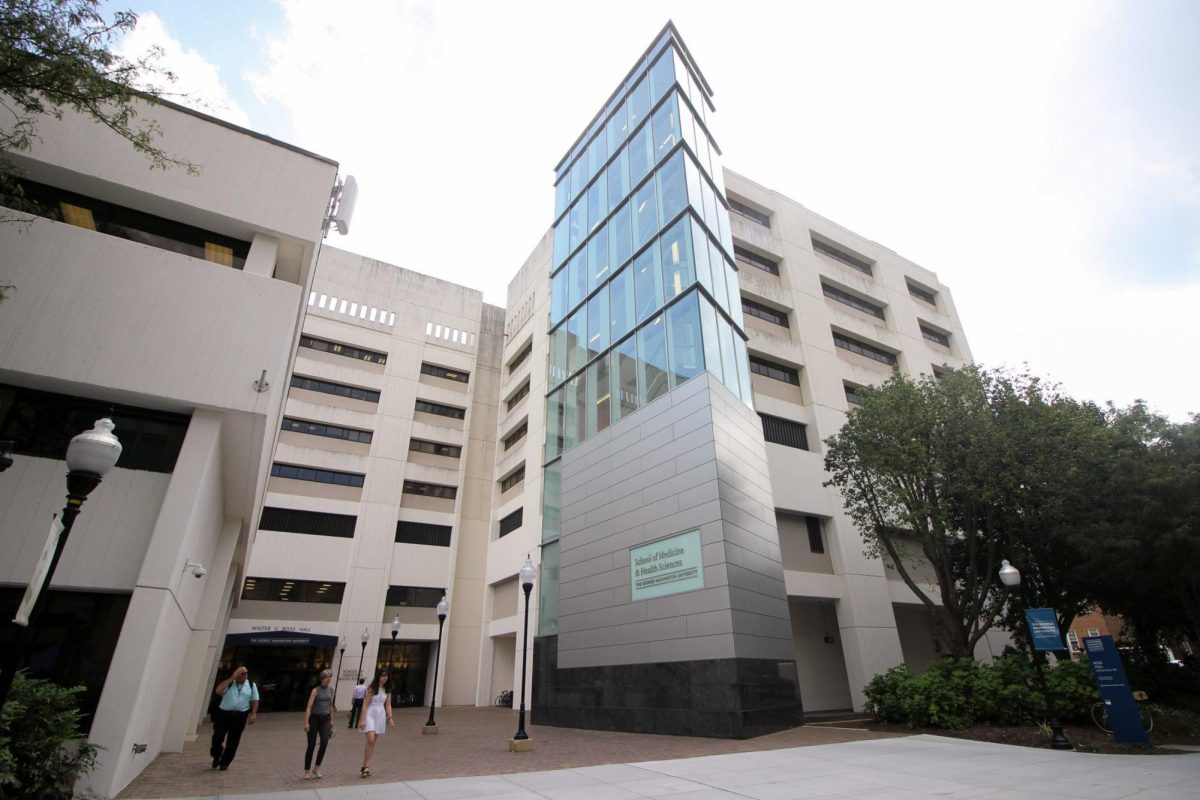

GW Hospital nurses are challenging a National Labor Relations Board decision to halt their union decertification election after the union representing the nurses successfully moved to block the vote, citing ongoing unfair labor practice charges against the hospital.
GW Hospital nurse Elizabeth Abraha filed a request for review — a filing asking the NLRB to reconsider a regional decision — arguing the NLRB improperly suspended the election to remove District of Columbia Nurses Association, the union representing GW Hospital nurses, as the nurses’ bargaining representative due to ongoing unfair labor practice charges filed by the union. The filing contends the NLRB’s “blocking charge” policy — a practice that allows the NLRB to pause a decertification election while it investigates unresolved unfair labor practice allegations that could affect the outcome of the vote — violates federal law and was improperly applied to suspend the election.
The NLRB decision comes after nurses filed a decertification petition in April, seeking to disaffiliate from DCNA, who has represented them in collective bargaining with GW Hospital since nurses voted to unionize in July 2023. The nurses in their petition claimed the union had failed to deliver the benefits they promised.
Following the decertification petition, the NLRB regional director ruled in favor of DCNA, who argued in a challenge to the petition on April 17 that the unresolved unfair labor practice charges the union has filed against the hospital prevents the decertification from moving forward.
DCNA has filed at least nine unfair labor practice charges against Universal Health Services, the owner and operator of GW Hospital, alleging the company fired a nurse for participating in union activity and installed surveillance cameras in break and meeting rooms after nurses announced plans to unionize.
The most recent filing asks the full NLRB board to overturn the regional director’s decision in April to pause the election pending unfair labor practice charges against GW Hospital and allow the decertification election to proceed.
“The Board lacks the authority or discretion not to immediately investigate a petition or conduct an election when a question of representation exists,” the filing states.
The filing argues the blocking charge policy violates federal law including the National Labor Relations Act. Abraha argues the NLRB is required to conduct an election once workers and a union dispute whether the union should continue to represent them and says the board lacks the authority to indefinitely delay a worker-requested vote based on unresolved allegations. She also argues that the nurses seeking to remove the DCNA were denied an opportunity to review the active unfair labor charges that caused the election’s suspension.
Abraha also argues that even if the blocking charge policy is legal, the NLRB regional director applied it improperly because he failed to evaluate the union’s evidence in the unfair labor practice charges, rather than just the allegations, before blocking the election.
NLRB officials did not return a request for comment. Abraha, the GW Hospital nurse that filed the request for review and Margo Leight, a nurse involved in the decertification effort did not return requests for comment. The National Right to Work Legal Defense Foundation, the nurses’ legal defense group, also did not return a request for comment.
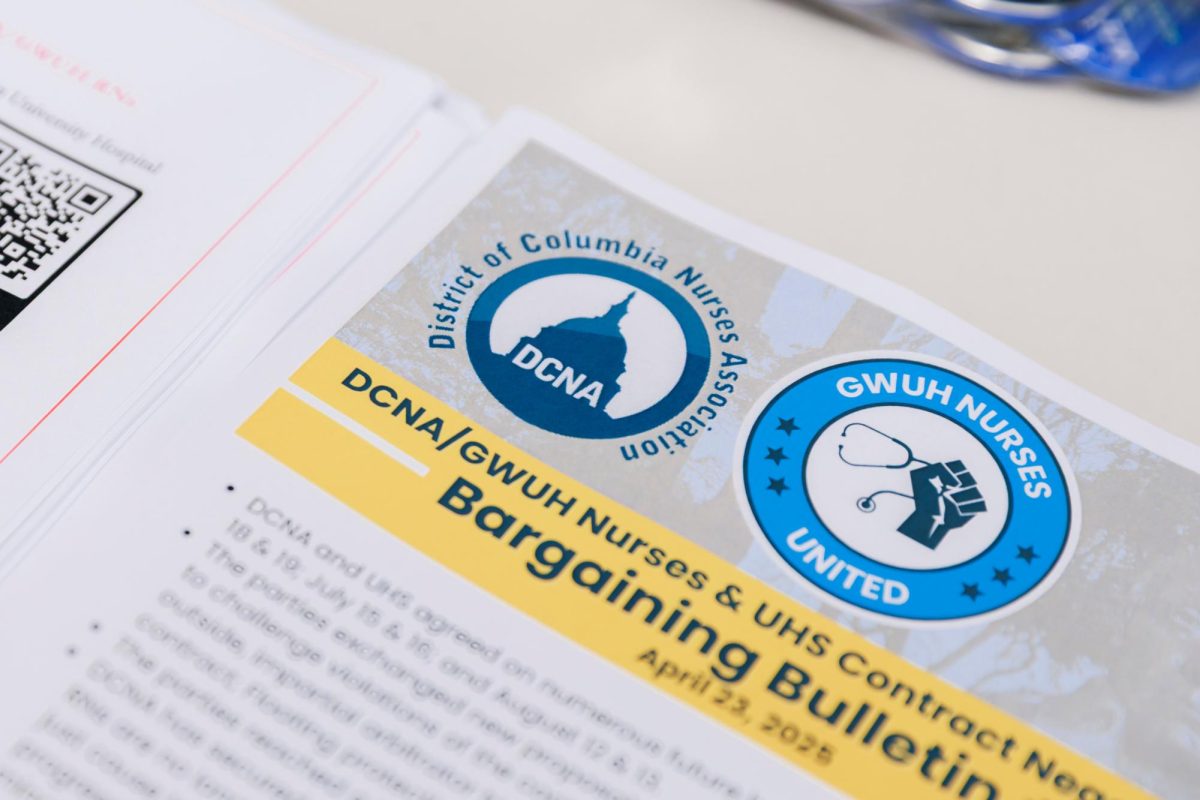
DCNA Executive Director Ed Smith said the union has filed multiple unfair labor practice charges over the past year against GW Hospital for alleged retaliation against union supporters and labor law violations during contract negotiations.
He said the charges center on allegations GW Hospital retaliated against employees for union activity and withheld annual wage increases while contract negotiations were ongoing. He said the complaints include allegations GW Hospital officials fired two nurses because of their union involvement and that another employee received a disciplinary warning in retaliation for union activity.
Smith also pointed to a separate unfair labor practice charge filed in January, alleging the hospital broke from its past practice of providing annual raises and bonuses to nurses while bargaining with the DCNA over a first contract.
Smith said nurses should have the opportunity to learn the outcome of the unfair labor practice charges before voting on whether to keep the DCNA as their bargaining representative, part of the reason why the NLRB halted the decertification proceedings. He said he believes the unresolved charges could affect how nurses view the union and the decertification effort.
“We would ask these nurses to understand that yes, we’re not going to fight a decertification if everything is proper,” he said. “But when it’s so messed up, and when the employer chooses to violate federal law on seven numerous occasions, then these decertification petitions are in a very poor posture.”
Smith said the DCNA is ultimately prepared to campaign and fight to remain the nurses’ bargaining representative if the NLRB eventually allows the election to proceed.
“We’re not going to walk away from these nurses,” he said. “We’ve been there since September 2022. We’re not going away anytime, anywhere, any soon.”
GW Hospital did not return a request for comment on the request for review or the unfair labor practice allegations.
Kiersten Lally, a labor and delivery nurse at GW Hospital and union representative with the DCNA, said she supports continued union representation because she believes DCNA is working to improve staffing conditions, wages and patient care standards at the hospital. She said nurses have raised concerns during bargaining about staffing ratios and workplace policies that she believes would be difficult to address without a union.
She said the possibility of decertification would risk weakening those efforts and could negatively affect both working conditions and patient care.
“I think that taking that away would mean worse working conditions, and honestly, I do believe that because they don’t like to listen to nurses, I think that you would have worse patient outcomes,” she said.
Lally said she has seen frustration and misinformation among staff, including claims she attributes to management that nurses have not received raises because of the DCNA. She said she has also heard concerns from coworkers who feel uncertain about the union due to conflicting information in the workplace.
“It’s more so people are pro, or people are unsure because they’re scared of retaliation and scared of what would happen if they were to openly be pro-union,” she said. “I’m not hearing as much super anti-union rhetoric, more so just fear about participating or getting more involved.”
Lally said union representatives are trying to counter those perceptions and misinformation about the union and ongoing contract negotiations by speaking with nurses one-on-one outside of work hours and distributing bargaining updates. She said those conversations are necessary because she believes many nurses are not fully aware of what is happening in negotiations.
“Our nurses are the union, we are the ones who are making this contract and we want it to be a great place to work for us and for our patients,” she said.