
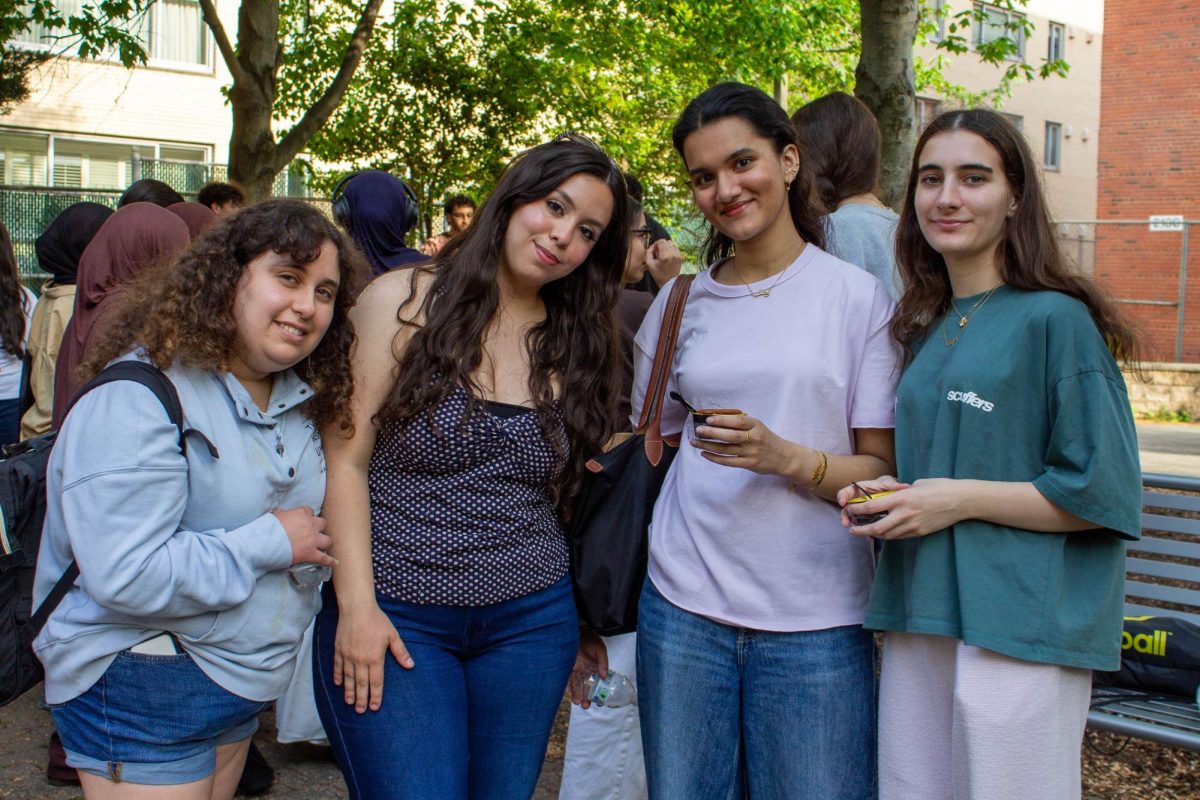
The Arab Student Association celebrated its first Arab American Heritage Month this April with a series of cultural and educational events, combining celebration with advocacy amid ongoing tension in the Middle East.
This year’s celebrations consisted of seven events, including ASA’s Cultural Showcase, featuring performances and tables educating attendees on cultures of various Arab countries, and a flea market that raised funds to combat famine among Palestinians in Gaza. Members of the organization’s executive board said the programming aimed to highlight Arab identity on campus and create space for visibility and solidarity, especially as many students navigate ongoing tensions in the Middle East.
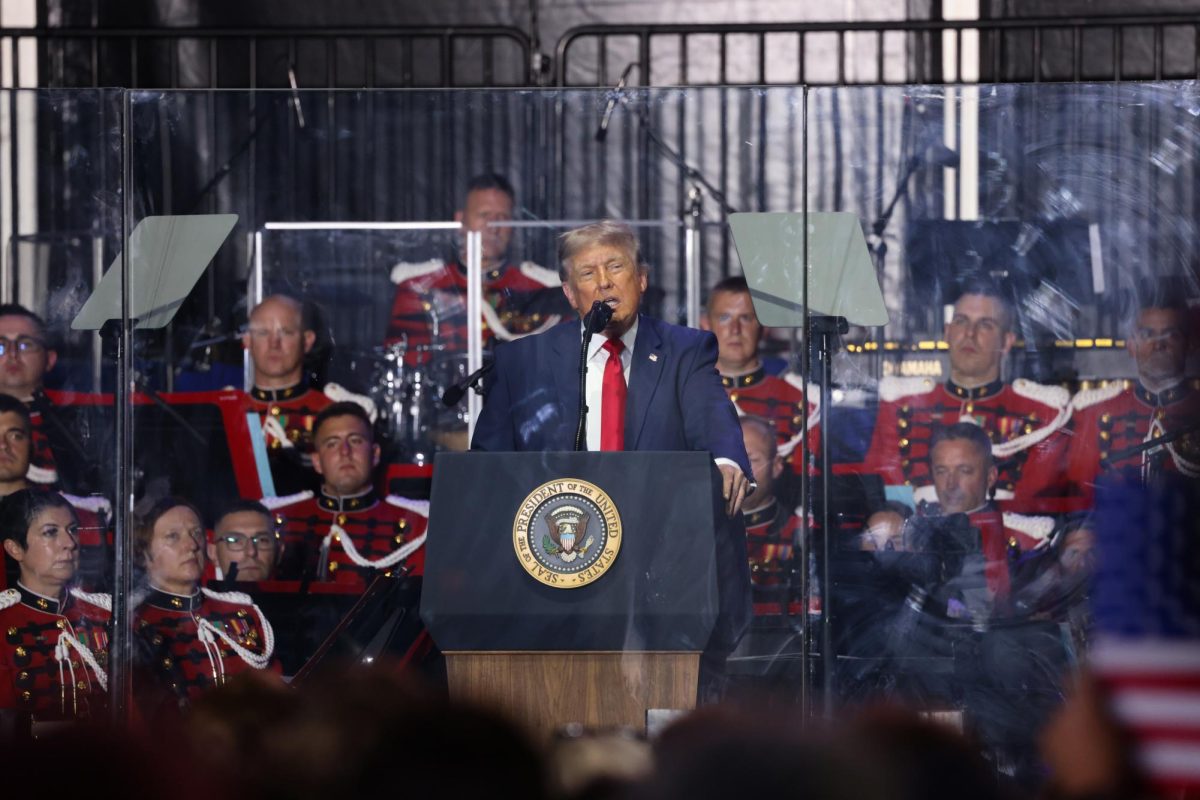
President Joe Biden was the first president to proclaim April as National Arab Heritage Month in 2023 and 2024, but President Donald Trump has not maintained that tradition over the past two years.
ASA President Lana Khalaf, a senior majoring in political communications, said ASA organized its first AAHM-specific event in April 2025 after officials from the Multicultural Student Services Center reached out to host a booth in the center’s space throughout the month, featuring books on Arab heritage and history. Inspired by the MSSC’s initiative to celebrate the month, she said the group decided last summer to begin planning a month of programming for this academic year.
Khalaf said this year marked a shift with the organization consolidating the several events ASA used to host throughout the spring semester into April for AAHM, hoping to increase visibility for Arab culture on campus.
“I think it’s really hard to find supportive places and supportive spaces for people of Arab identity, and I think it’s important to have this month dedicated to raising awareness, but also just bringing attention to Arab heritage,” Khalaf said.
Khalaf said the organization moved its annual cultural showcase from the fall to the spring to align with AAHM and to offer an event that represents the diverse Arab cultures and history spanning the Middle East and North Africa. She said when registering their attendance for the cultural showcase, the group invited general body members to table about their respective countries, expanding representation beyond the executive board and allowing attendees to engage with a wider range of cultural perspectives.
“One of the people tabling was tabling for Kuwait, which is such a small country,” Khalaf said. “There’s literally nobody usually here from it that I’ve met aside from that one guy. And I think that it was so important to get to know more about such a small country that I think maybe people wouldn’t have the chance to meet other people from.”
Khalaf said ASA hosted the month of programming this year without collaborating with the MSSC or other organizations due to logistical issues, like rooms being unavailable at The George Washington University Museum and The Textile Museum. She said the group is open to future partnerships, but hosting events separately gives ASA’s leadership a sense of ownership and accomplishment when organizing their own cultural programming.
“It is equally as important that we have a lot of events that are run by students of ASA because I think that we get a sense of accomplishment, obviously, when we’re planning these fun events,” Khalaf said. “Splitting the month, maybe doing some events in collaboration with the MSSC or any other orgs, as well as doing events on our own, I think would be really cool.”
Junior Hamzah Moustafa, ASA’s secretary, said the organization chose to formally recognize AAHM this year to affirm Arab identity on campus despite the Trump administration’s lack of acknowledgment. He said he was not surprised by the Trump administration’s inaction, given its past stance on Arab communities, including its immigration restrictions and rhetoric toward Muslim and Middle Eastern populations.
“With Trump’s anti-Arab, anti-Palestinian, and xenophobic remarks and policies since his first term, I do not expect him to proclaim National Arab American Heritage Month nor do I want him to,” Moustafa said.
Moustafa added that several of ASA’s events included fundraising efforts for organizations like Palestine Children’s Relief Fund, Sudanese American Physicians Association and Humans of Dahieh Relief Initiative to support their Arab neighbors back home.
“We as Arab students in the diaspora have a duty to support our people back home, and ASA is committed to hosting political and educational programming and fundraising at GW,” Moustafa said.
Junior Karen Mansour, the vice president of ASA, said the group’s educational events, like its April 14 Sudan teach-in, were central to its programming for the month, educating both Arab and non-Arab students about the political situations in Arab countries. She said these events showcase the perseverance of the Arab people even through political and economic crises.
“We have those events to highlight the hardships that we face, but also how we still continue no matter what’s been happening and that we are steadfast, and we will keep prevailing and existing,” Mansour said.
Mansour said in the wake of the war in Gaza — despite a ceasefire with continued reports of violence — ASA felt “awkward” hosting a celebratory event with food and dances given the “inhumane” events taking place during the war in Gaza, so the executive board worked to find a balance, fundraising and incorporating donations to support the Palestinian efforts.
Mansour said the implications of the war in Gaza also shaped how ASA approached planning the month’s events, particularly in acknowledging the realities facing many students’ families and communities.
“We have so many Palestinian general body members that to, like, ask them to come and, like, get through this really fun thing when they’re probably thinking about other stuff going on back home, is just hard to do,” Mansour said.