
Student organization leaders said Student Government Association financial leadership did not properly communicate new funding policies instituted over the summer, causing confusion over financial allocations and how to request funds at the start of the academic year.
Leaders from five student organizations said the SGA Senate’s July funding reforms only partly fixed issues with the event-focused allocation model the senate passed last spring, adding that the new model instead caused confusion and extra work for organization leaders. Student organization leaders said they would prefer the SGA to return to the original funding model from before last spring’s changes, rather than the current reforms, which only restore the old system’s terminology, not its full functionality.
Although SGA senators renamed “event-based funding” — funding requested for individual events – back to “cosponsorships” and tweaked application rules in the reforms, the changes effectively keep the old system in place, Andrés Orjuela, deputy director of the SGA Legislative Budget Office said.
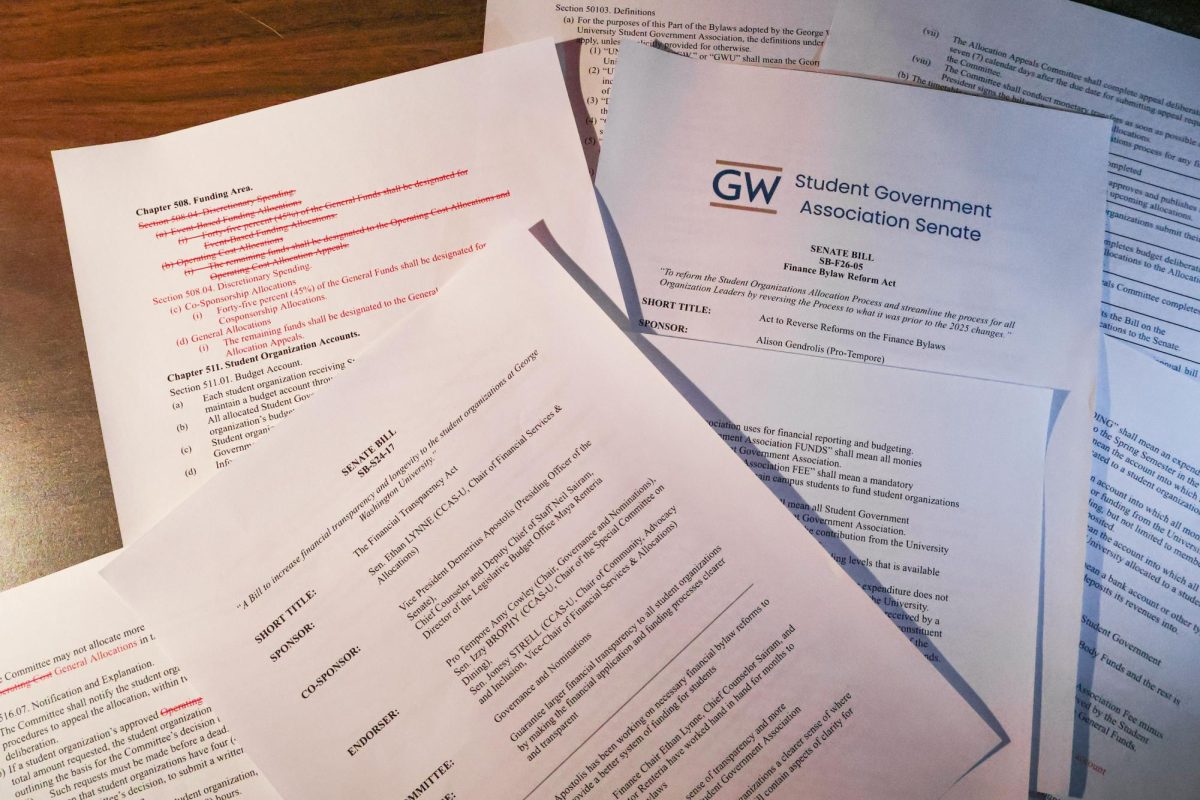
During spring 2024, the SGA passed the Financial Transparency Act to restructure its budget, shifting funds from the semiannual general allocations system to a weekly event-based funding model in an attempt to stop student organizations from being forced to guess how much funding they would need for the duration of the semester. But after hearing complaints from dozens of student organizations that the proposed events-based funding process made it more difficult to obtain funding and plan events because of the weekslong process to have individual allocations approved by the Finance Committee, the SGA Senate passed the Finance Bylaw Reform Act at a July emergency meeting.
Under the newest model, student organizations still receive smaller pots of funds at the beginning of each semester for administrative costs that last the entire year and need to apply for additional funding through the cosponsorship process, maintaining a common complaint organizations had about the events-based model. Legislative Budget Office Director Connor Linggi said in an email the SGA informed organizations when they were providing feedback over the summer that the new changes would keep the reduced general allocations and a larger cosponsorships fund, as the allocation process did under the events-based system.
Orjuela said SGA senators and financial leaders decided to reform the events-based model over the summer after student organizations warned it would require groups to submit many more funding requests each year, placing additional strain on the Finance Committee, which reviews and approves them.
“We kind of realized that it was going to be a mess,” Orjuela said. “That it was going to create a bottleneck that was going to delay people from getting their funding and that it was also going to just create so many more frictions within the system that we also had to deal with.”
Under the reforms passed in July, organizations can group funding requests together but only if the events are recurring, Orjuela said. Leaders of student organizations said they were not informed the SGA passed new reforms to the financial process over the summer or what the details of the reforms were, causing confusion when they arrived back to campus with a new funding system to navigate.
Charlie Basa, president of the Philippine Culture Society, said his organization has been confused about what the July reforms change for student organizations, since his organization still received less general allocations funding at the beginning of the semester compared to the original model. He said because the changes were made right before the start of the school year, organization leaders were not properly trained by SGA financial leadership on how to navigate the newest system.
“You spend the summer before planning out a lot of events for fall semester, working on budgeting, figuring out scheduling and whatnot, and when changes to the budget and how we access our funds are made right before the school year, it can be frustrating,” Basa said.
Basa said prior to the Student Org Summit earlier this month, SGA leaders did not communicate that there had been additional changes to the funding process over the summer from the events-based system. He said the Philippine Culture Society spends a lot of money early in the year to plan Tandaan — a large annual event highlighting Filipino culture — for a product that will come out only toward the end, and he is concerned receiving fewer general allocation funds will require organization leadership to personally front money for planning, since cosponsorship requests can take three to four weeks to be approved.
“When budgeting is not consistent, that leads to a lot of stress, like unnecessary stress, things that could have been avoided if we just had more clarity and more consistency,” Basa said.
Shreya Sampath and Haley Chokshi, co-presidents of the Indian Students’ Association, said SGA leaders did not thoroughly communicate the changes made in July, leaving student leaders to rely on word-of-mouth between organization leaders for updated information rather than direct communication from the SGA.
Sampath said the Student Org Summit was “really helpful” for understanding changes made to the funding system but said in the weeks prior to the training organization leaders did not understand how to navigate the new system or request additional funds.
“Over the summer and then a little bit before the summer when these changes were being made, it was hard to fully understand what was happening,” Sampath said.
Chokshi said she thinks the changes made to the funding model might be helpful for some organizations, but since the ISA mainly focuses on hosting events, requesting additional funding for two to three events at a time adds additional work for leaders. She said the SGA’s original model, which allocated more money to organizations up front, was better for ISA because they could plan their overall budget further in advance.
“When we’re working with a multitude of vendors, when we’re trying to pull together a lot of different parts, it’s easier to know how much money we have to start off with than it is to find out maybe two or three weeks before the event that we have less money than we need,” Chokshi said.
Maria Szamrej, the vice president of finance for international affairs honors society Sigma Iota Rho and the vice president of the Undergraduate Economics Society, said she is familiar with the finance process, but the new rules are a lot of information to “throw” at new organization officers and students just learning the finance process.
“These changes are making it so inconvenient for students to secure funding that they just won’t,” Szamrej said. “I think it’s a form of a natural budget cut, because it’ll just make it so difficult to secure funding last minute or with a shorter timeline, that students just won’t be requesting funds as much or purchases as much.”
Ava Van Nortwick, the financial chair of BridgeGW, said she and other leaders in her organization were unaware of any changes made to the funding process over the summer. She said although she was notified about the Org Summit over the summer, the email did not state that the SGA had made changes to funding procedures from the events-based system.
She said the Finance Committee does not usually grant her organization its full requested funding allocation and that she would prefer to know the amount of money the organization has to work with at the beginning of the semester than find out about small cuts throughout the year when making cosponsorship requests.
“When you keep changing how you have to request funds and whatnot that already adds additional layers of complication onto requesting the funds period,” Nortwick said.