
Two years after GW last held its annual diversity-focused programming, officials relaunched the event with a broader scope, moving beyond its diversity-centered framing — an effort they attributed to the strategic framework, not President Donald Trump’s diversity crackdown.
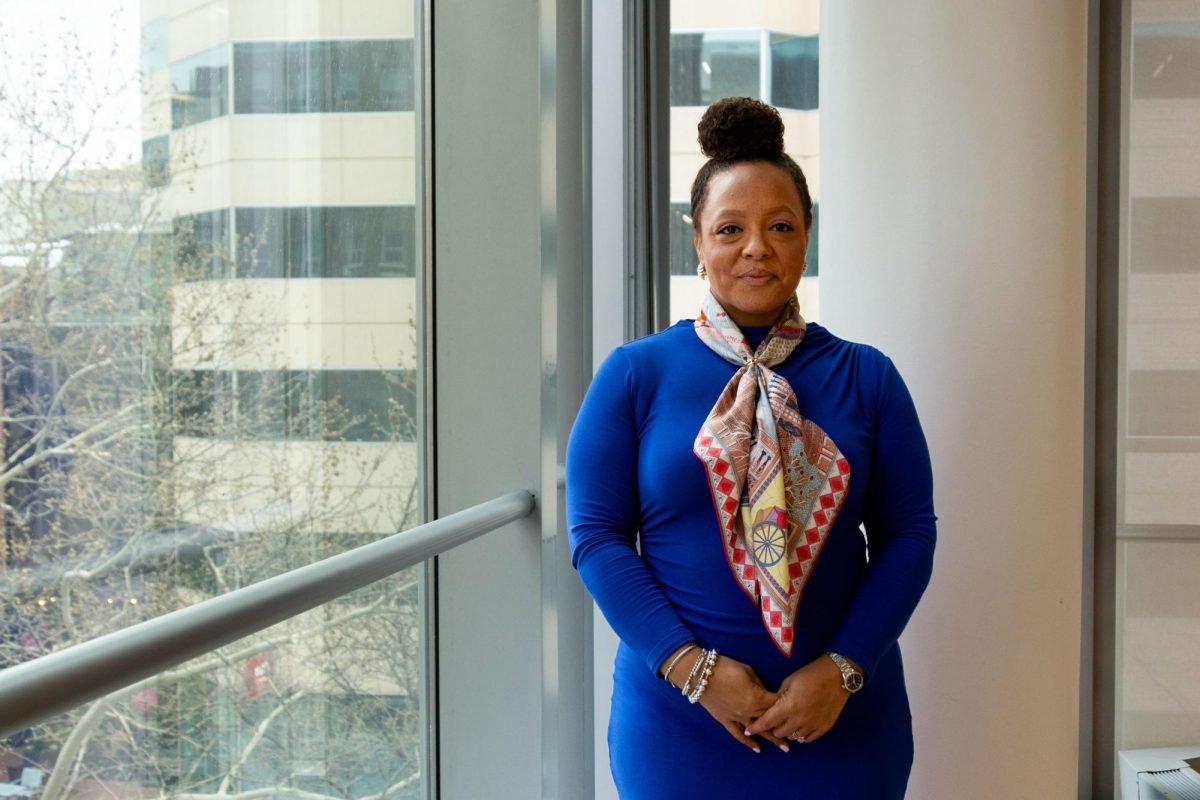
Officials twice postponed the event before changing its name from the Diversity Summit to the Community Summit, a decision they said reflects their efforts to “reimagine” opportunities for the community and broaden the agenda to include topics, like civil discourse and what it means to be part of the GW community. Associate Vice Provost of Diversity, Equity and Community Engagement Jordan Shelby West said officials’ decision to rename the summit aligns with GW’s new strategic framework and was not influenced by President Donald Trump’s crackdown on diversity, equity and inclusion initiatives or the Department of Justice’s investigation into the role of DEI in GW’s admissions practices.
West said officials centered this year’s theme — “OneGW Summit: Community, Culture and Inclusion” — around the University’s new strategic framework, which officials launched in the fall. She said officials have always been guided by what is currently legal in planning the summit, and this year’s programming stays true to its mission of promoting inclusivity.
Trump over the last year has challenged DEI policies and practices nationwide, including signing an executive order on his second day in office calling for the end of DEI practices at, among other places, universities and threatening to revoke funding from universities over their DEI practices. The DOJ has led investigations into multiple universities’ alleged use of DEI-related practices in admissions, including at GW.
“We’re being really responsive to the climate, not only at our own institution in terms of GW and Foggy Bottom and Ashburn and the Vern and our campuses, but really just being responsive to the global world right now, where I think people are craving to feel like they’re part of something and to feel like they can show up authentically,” West said.
Officials kicked off the summit Thursday with the OneGW Festival, but most of the 16 events took place Friday, featuring discussions on social change, student mental and physical well-being and ways to serve the community — all tied to the summit’s theme of “community, culture and inclusion.”
West said the summit has looked different every year as officials have sought out proposals for presentations and workshops from community members in past years, something they did not do this year. This year, officials asked for storyteller nominations, which West said featured life stories from two graduate students and one staff member.
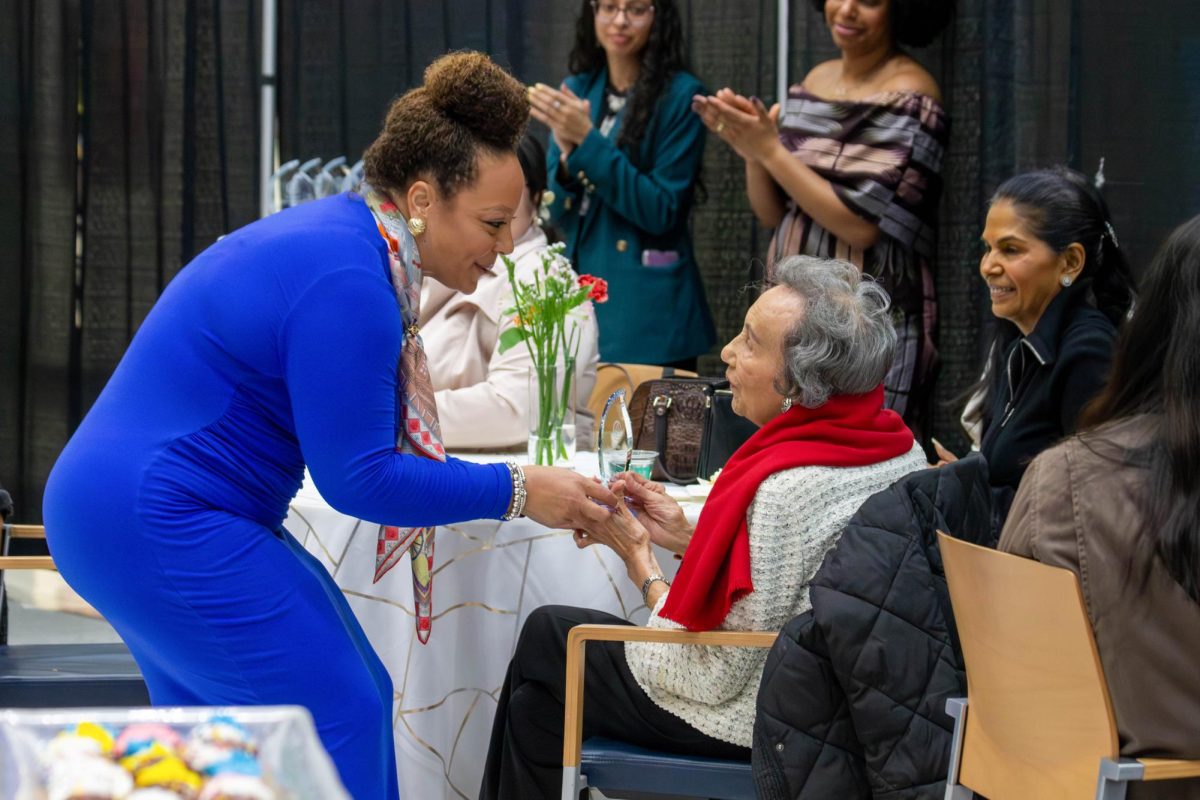
Officials also asked the community to submit nominees for the Community Impact Award on the summit’s website, which they gave out on Friday to honor those who represent GW’s principles and the University’s strategic framework.
West said elements of DEI still exist in the summit’s programming, with officials inviting people and groups from a variety of backgrounds to participate and offering food from different traditions and cultures. She also said officials have offered a wide range of programming so the entire community can find something to attend, stretching from a conversation on social change to having an art therapy clinic throughout the day Friday.
Students have warned in recent months that officials have been rolling back DEI initiatives, including postponing and renaming the summit — which West said is not tied to Trump-era policies — halting the search for ODECE’s top post and some schools scrubbing mentions of DEI on their respective websites. Students said officials’ apparent walkback signals a lack of support for GW’s diverse student body, conceding a lot to the Trump administration instead of standing up to the federal government and committing to DEI.
“All of our conversations and opportunities are inviting people in to think, to challenge and to engage across differences,” West said.
West said officials postponed the summit twice due to leadership changes in the Provost’s office, with Interim Provost John Lach replacing former Provost Chris Bracey last summer, but deferred to Lach on the reasons for the delays. West said she was planning the summit with then-Provost Chris Bracey for the summit’s original fall 2025 dates before he left the University in June, and then shifted to planning it with Lach once he came into the role.
University spokesperson Kathleen Fackelmann said GW “never wavered” in its commitment to holding a summit and aligned programming with the strategic framework. She said leaders across GW, including the provost, deliberated on the summit’s dates and spring 2026 became the “right time” to hold the event, though she did not specify why.
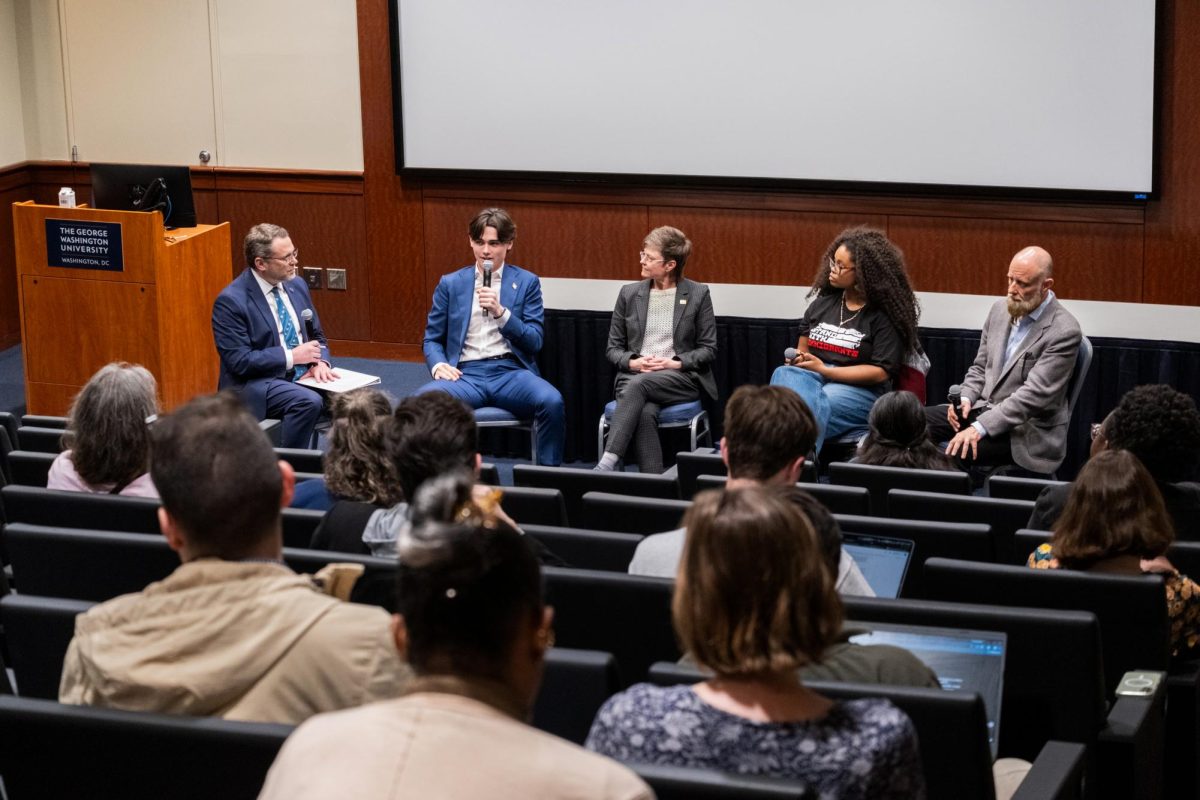
At an event featuring Lach, two GW students — senior Chloe Blackburn and junior Kieran Laffey — Interim Vice Provost for Faculty Affairs at GW Law Emily Hammond and Director of Peace Studies Derek Malone-France discussed civil discourse across a range of political beliefs, including how universities are currently approaching civil discourse. Lach asked the two students about their assessment of students’ comfort level in expressing their views on campus today.
Blackburn said students generally feel “unsafe” expressing their political beliefs on campus, fearing officials could revoke their degrees. As a senior, she said she wants to walk the stage and earn her diploma but worries that doing so might come at the expense of fully sharing her own views.
“I have to make the decision to self-repress my own emotions, thoughts, feelings, as it pertains to identities or things that happen within this world as a threat that the University writ large has a greater power to prevent me from having a successful life,” Blackburn said.
Laffey said as the president of GW College Republicans he believes officials have been consistently open to debates on campus and fears no retaliation from the University. But he said he consistently sees his fellow conservative students fearful to speak out and share their political beliefs with their fellow classmates over fears they will be shut down or ostracized by students.
“We’re all humans,” Laffey said. “We bleed the same color of blood, and I think it’s important to know that we’re very similar, and it’s okay to have a difference of opinions.”
West honored Virginia Ali, the owner of Ben’s Chili Bowl, at the summit’s closing reception, where she spoke about the impact her and her late husband’s restaurant has had on the D.C. community, with famous figures — like Martin Luther King Jr. and Barack Obama — visiting. Ali said District officials asked Ben’s Chili Bowl to remain open during the April 1968 riots in D.C. after King’s assassination, a sign of how important the restaurant is to D.C.’s community.
Dwayne Kwaysee Wright, an assistant professor and director of DEI at the Graduate School of Education and Human Development, said he hosted a presentation Friday with assistant sociology professor Fran Buntman — who sits on the Campus Safety Advisory Committee with Wright — on the meaning of safety for people and how that definition changes based on one’s identity and background.
Wright said the summit’s renaming doesn’t mean officials have stopped promoting diversity, and he isn’t focused on playing “name games” on whether or not the work he’s doing is promoting DEI. He said his work remains the same, no matter what name it’s under.
“Whether it’s called the Diversity Summit, the One Community Summit, we’re still doing the work that I think GW has hired me to do, but more importantly, that the students demand,” Wright said.
Erica Cusi Wortham, the director of co-curricular engagement and interdisciplinary programs for the School of Engineering and Applied Sciences, said she and fellow SEAS professor Royce Francis shared information they collected on students’ responses to artificial intelligence for an event during the summit. She said the idea for the summit came about after conversations with Ava Williams, a staffer with the school’s SEAS Together initiative.
“We’re noticing among our students that there’s a certain level of anxiety around AI and that there’s not a lot of opportunities to talk about that in community, in an unstructured, open, but facilitated conversation,” Wortham said. “So that was the genesis of the idea.”
Cassandane Smith, Diya Jhawar, Lakshmi Dev, and Shivu Sathe contributed reporting.