

Officials changed GW’s security guard company late last academic year after its contract with the supplier they had used since at least 2021 expired, a University spokesperson confirmed.
University Spokesperson Claire Sabin said GW retained Securitas to patrol campus buildings in D.C. in May after officials began soliciting proposals from security contractors last fall, ahead of Allied Universal Security’s contract expiring in the spring. Sabin said the change in security contractors was standard practice and unrelated to ongoing University budget cuts but declined to say if the switch in contractors caused officials to cut back on security hours in certain residence halls this academic year.
“This was a standard business practice and decision to complete the contract, aimed at maintaining the safety of our campus and university operations and is not related to the FY26 budget planning process or residence hall staffing,” Sabin said in an email.
GW formerly contracted Allied Universal Security to assign security officers to residence halls, former GW Police Department Chief James Tate said in 2021.
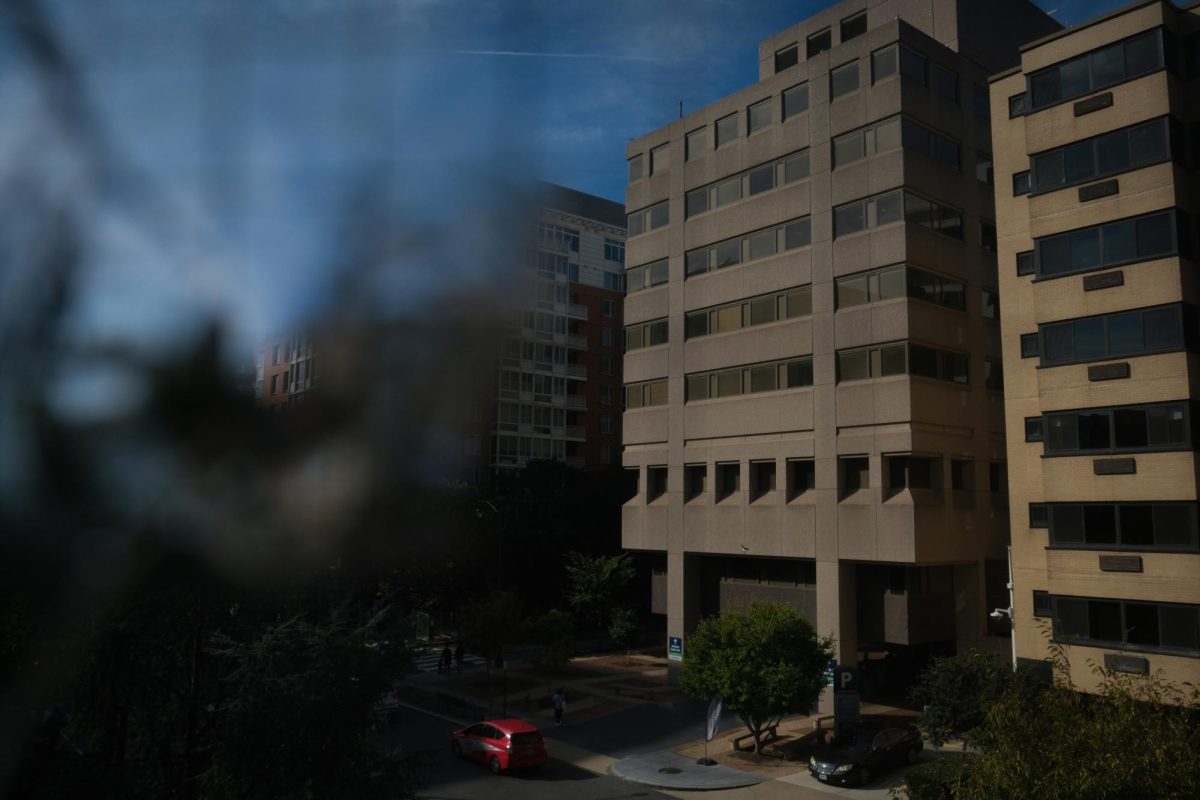
Officials cut around-the-clock security guard hours in most upperclassmen residence halls this academic year, reducing coverage to the overnight period from 10 p.m. to 6 a.m. Officials attributed the change in August to the “geographic location” of each building and crime reporting data from the Campus Safety office.
Securitas officials have also been part of the increased security presence at speaker events this semester in the wake of the assassination of Charlie Kirk in September. Securitas guards checked attendees’ bags and monitored metal detectors when Supreme Court Justice Sonia Sotomayor spoke on campus in September.
The switch comes as the University faces a changing security environment amid increased federal law enforcement presence in D.C. Sabin said officials are aware that community members have “concerns” about federal law enforcement in the District. Students last month reported a “sinister” hike in National Guard presence on campus, and community leaders have denounced Immigration and Customs Enforcement operations near campus.
Student employees also reported in February that front desk supervisors circulated a checklist to front desk staff across campus to prepare for potential unannounced visits from immigration enforcement. Sabin declined to comment on whether front desk security personnel have received updated guidance on how to navigate federal law enforcement presence since August, when President Donald Trump ordered federal troops to patrol the city.
University President Ellen Granberg in a community message last month said staff with “public-facing” positions have received guidance on how to ensure community safety if federal law enforcement tries to access a locked facility. A University spokesperson also said in the event of an unannounced visit to campus by immigration enforcement, guidance is available to the community.
“We remain committed to providing a safe environment for our students, faculty, and staff through the efforts of the GW Police Department and coordination with external law enforcement agencies, while ensuring full compliance with legal requirements,” Sabin said in an email.